AI Reasoning System to Replicate Advanced Decision-Making and Deep Insights
Overview
New Clarity partnered with a leading expert in leadership development and organizational effectiveness to design and build an AI platform that replicates a portion of his decision-making and analytical approach.
The system was designed to ingest broad sets of data and generate insights, recommendations, and structured reasoning at scale, supporting both research and high-value advisory work.
The platform reflects more than two decades of experience working with global leaders and high-performing teams. It does not aim to replace the expert. It extends his capacity to evaluate complex information, generate strategic clarity, and produce defensible recommendations across a wide range of business situations.
The Challenge
The expert is regularly asked to evaluate complex organizational situations, leadership decisions, and strategic options. Each engagement requires deep analysis, structured reasoning, and a consistent evaluation method.
Several constraints made it difficult to scale this work:
- Each project required substantial manual research and synthesis
- The reasoning behind insights was difficult to systematize without losing nuance
- Demand for structured, repeatable analysis exceeded available capacity
- High-quality decision frameworks needed to be applied consistently across projects
The objective was to create an AI system capable of mirroring his analytical approach while preserving the depth, structure, and clarity that define his work.
The Solution
New Clarity built a custom AI reasoning system designed to support the expert’s research and advisory workflows. The platform integrates structured data ingestion, multi-step reasoning, and decision frameworks aligned with his methodology.
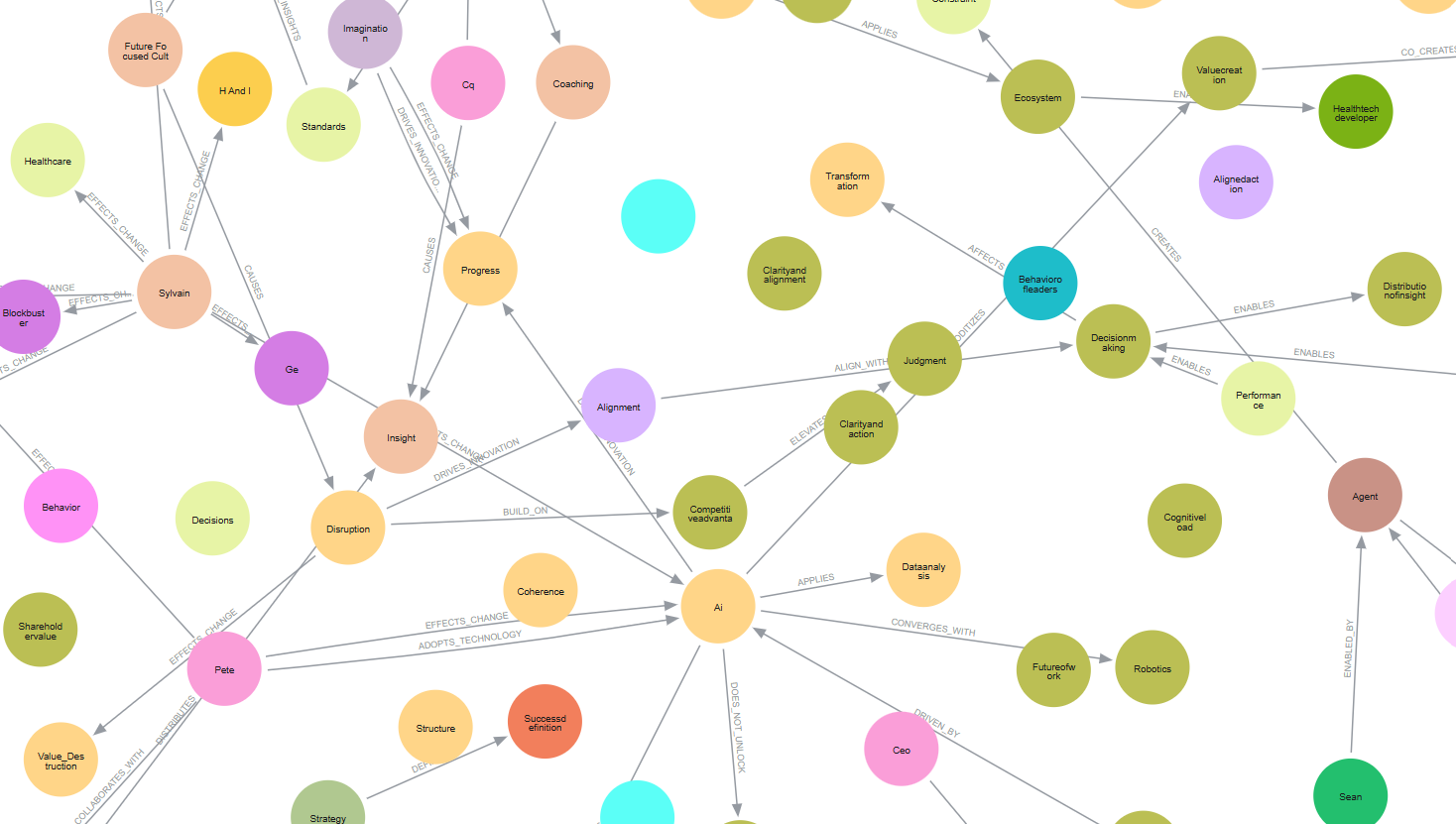
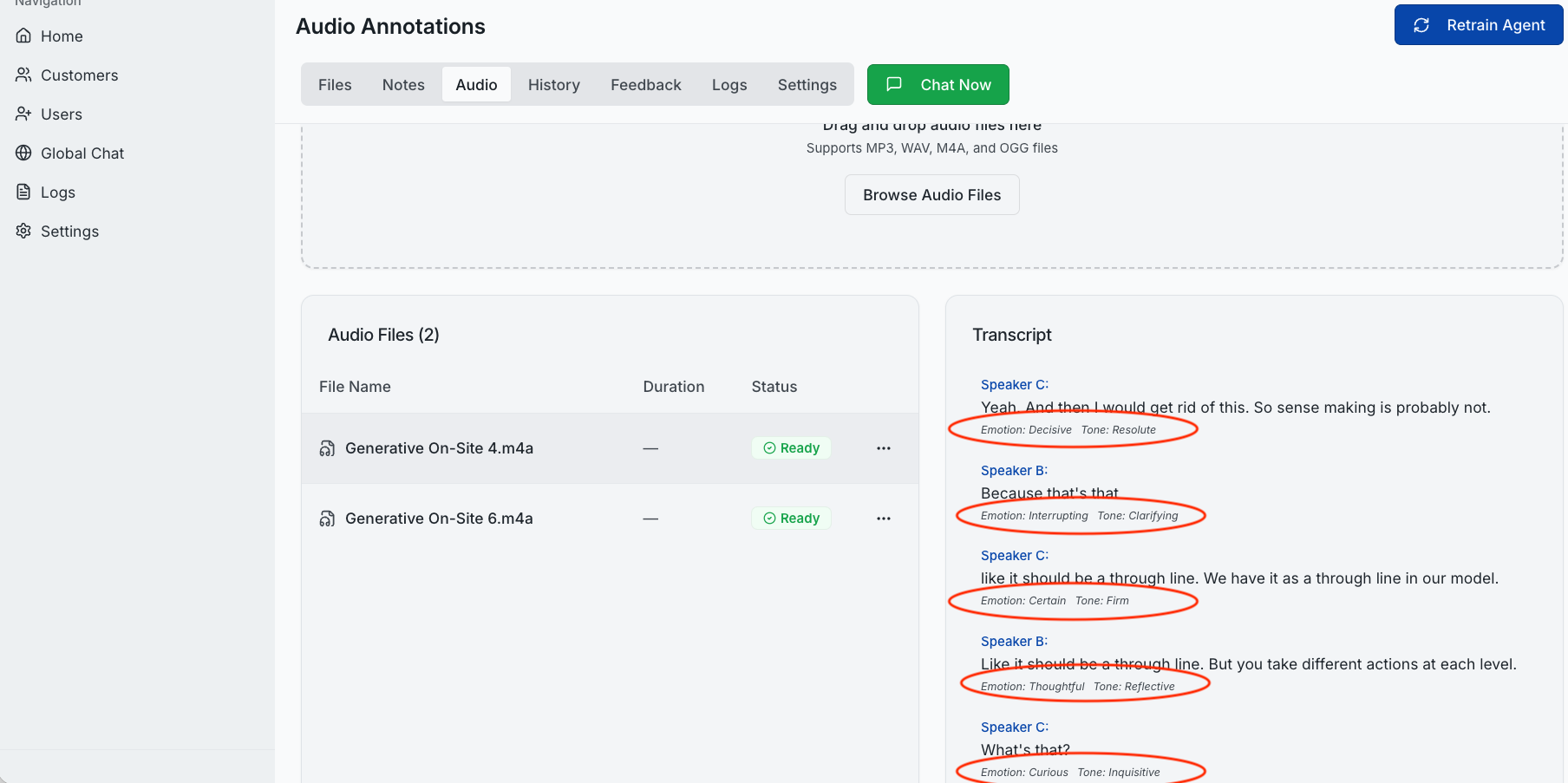
Multi-source data ingestion
The system can intake structured and unstructured information including documents, transcripts, financial data, market context, and proprietary research. It organizes this content into a unified reasoning environment.
Structured analytical frameworks
The platform applies the expert’s preferred reasoning models, including frameworks for organizational diagnosis, leadership effectiveness, market positioning, and strategic prioritization. These frameworks ensure consistency across analyses.
Multi-step reasoning
Rather than producing single-pass outputs, the AI executes multi-step analysis. It breaks problems into components, evaluates each independently, and synthesizes findings into structured recommendations.
Insight generation
The system surfaces patterns, contradictions, and strategic implications that may not be immediately visible. It is designed to support depth of insight rather than surface-level summarization.
Recommendation engine
The platform produces clear, prioritized recommendations grounded in the underlying analysis. Each recommendation includes the reasoning that supports it, enabling traceability and confidence in decision-making.
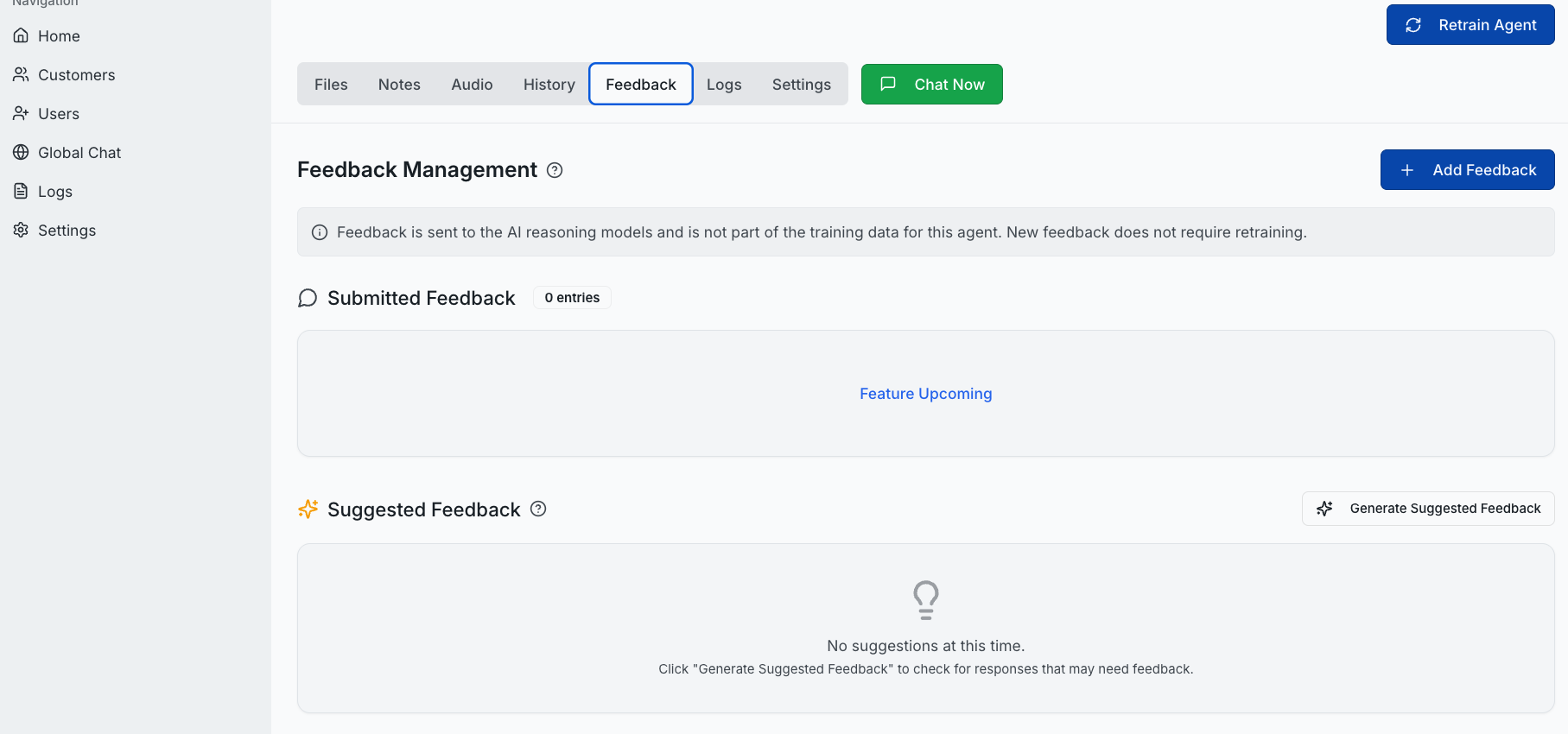
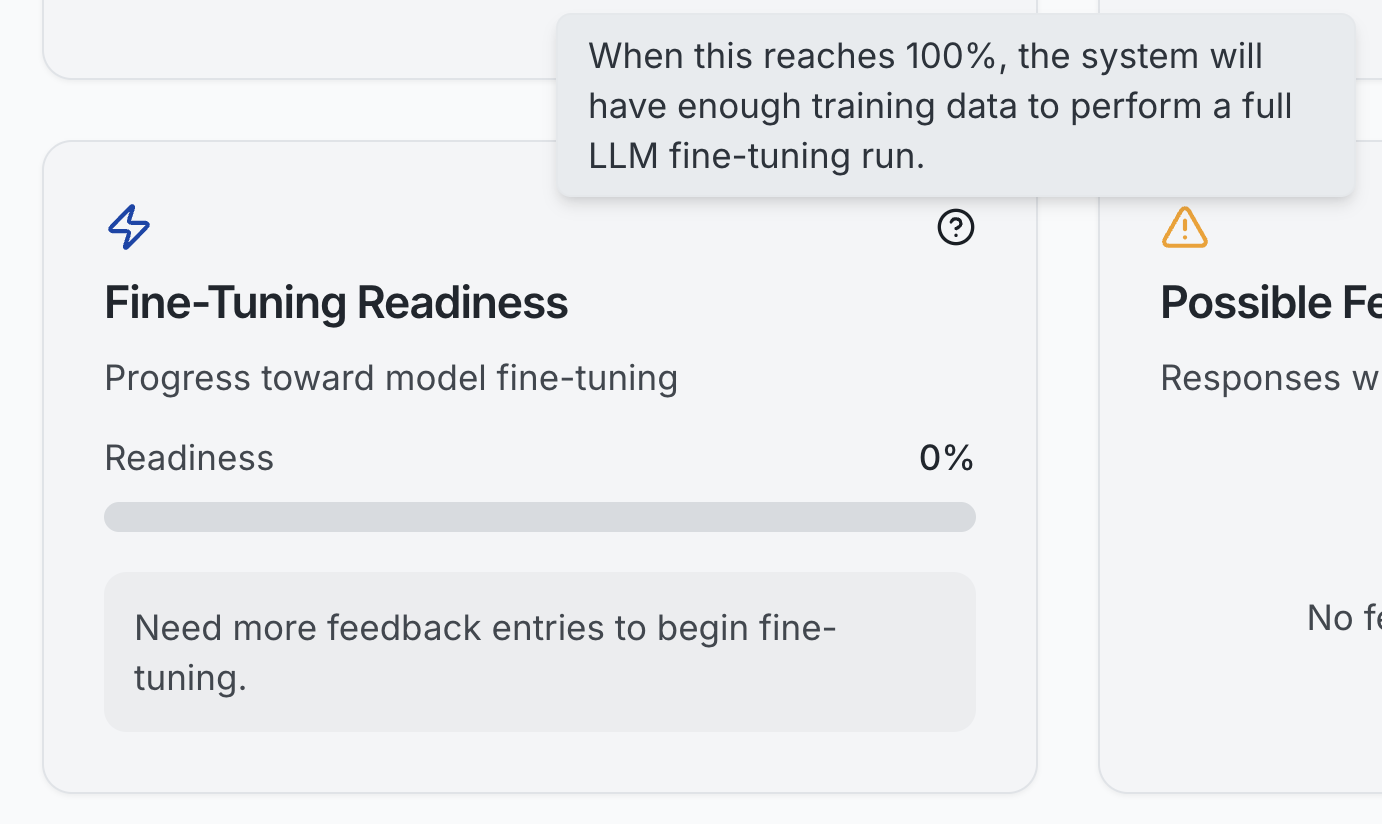
Continuous refinement
The platform is iteratively improved through real-world use. Expert feedback is incorporated to strengthen reasoning quality, expand analytical coverage, and refine output structure over time.
Strategic Impact
The platform extends the expert’s capacity to deliver high-value analysis across more clients, more projects, and more complex situations.
Key benefits include:
- Faster turnaround on research-heavy engagements
- Consistent application of established analytical frameworks
- Enhanced depth and precision in strategic recommendations
- Greater capacity to take on complex projects without sacrificing rigor
- A scalable foundation for future advisory work and product development
The system reinforces the expert’s methodology while enabling broader application of his approach.
Other Applications
The same architecture can be adapted to support other domains that depend on structured reasoning, including:
- Strategic consulting
- Investment analysis
- Executive decision support
- Organizational diagnostics
- Market and competitive intelligence
This project demonstrates how custom AI reasoning systems can be designed to extend expert thinking, support high-stakes decisions, and deliver consistent, defensible analysis at scale.